
Powering Oman: The Energy Sector Landscape
Introduction
Oman’s energy sector is at a crossroads. Built on a strong legacy of oil and natural gas production, the Sultanate is now accelerating its shift to a more diversified, sustainable, and innovative energy future. With strong reserves, strategic investments, and ambitious targets, Oman is positioning itself not just as an energy exporter, but as a regional leader in renewables, hydrogen, and clean technologies.
1. Historical Roots: Hydrocarbons as the Foundation
- Oil & Gas Dominance: Historically, Oman’s economy has relied heavily on oil and natural gas. These resources account for a significant share of GDP, exports, and government revenue.
- LNG Infrastructure: Oman LNG, based in Qalhat, plays a central role in the country’s gas export strategy.
- Production Strategy: Rather than phasing out hydrocarbons immediately, Oman plans to continue production in the near term — but with a “cleaner” approach.
2. Energy Transition: The Road to Renewables
- Net-Zero Ambition: Oman has committed to achieving net-zero carbon emissions by 2050.
- 2030 Renewable Target: The goal is for renewables to supply at least 30% of electricity by 2030.
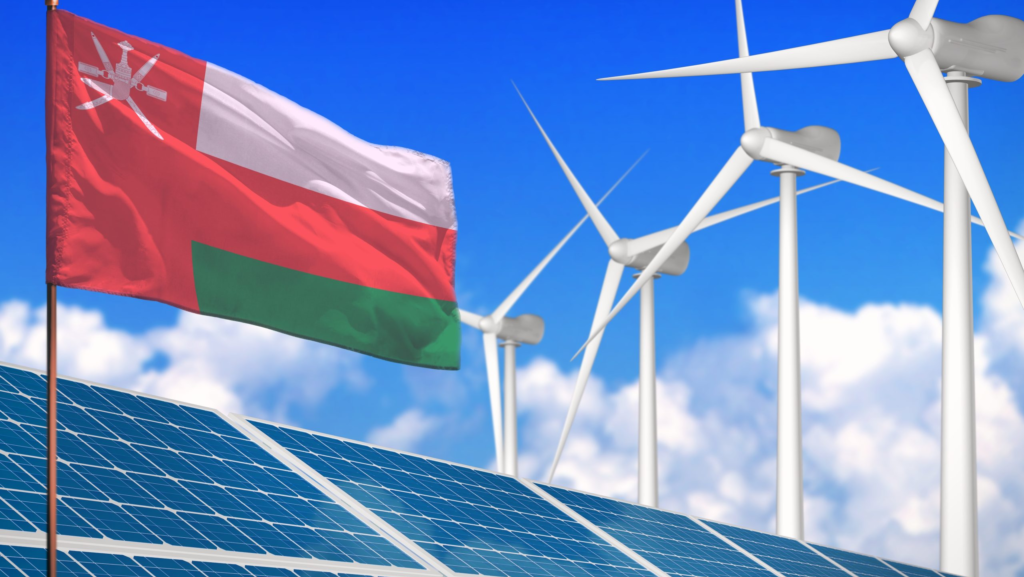
- Solar Power: The Ibri II solar project is a flagship: large-scale solar capacity is coming online, reflecting Oman’s huge solar potential.
- Wind Energy: Areas like Dhofar and Al Wusta have strong wind energy potential, and wind farms are planned or under development.
3. Innovation & Emerging Technologies
- Green Hydrogen: One of the most exciting parts of Oman’s energy strategy is green hydrogen. Leveraging abundant solar and wind energy, Oman is aiming to become a major exporter of green hydrogen.
- Carbon Capture & Storage (CCS): Oman is also exploring carbon capture, utilization, and storage (CCUS) to reduce emissions from its hydrocarbon operations.
- Offshore Renewable Innovation: There are plans to use hybrid offshore systems (wave + solar) to power offshore operations, potentially reducing carbon intensity in challenging environments.
4. Cleaner Hydrocarbons: Decarbonizing the Legacy
- Reducing Flaring & Methane Emissions: Oman has set a target to eliminate routine gas flaring by 2030 and is working to cut methane emissions.
- Efficient Operations: Investments are ongoing to modernize oil and gas operations to be more energy-efficient and less carbon-intensive.
- 5. Economic Impact & Diversification
- Revenue Strategy: While Oman continues to rely on hydrocarbons, the revenue from oil and gas is being used to fund its energy transition and economic diversification.
- Private Investment & Partnerships: Many renewable energy projects are structured as independent power projects (IPPs) with international investors, showing confidence in Oman’s transition.
- Green Jobs: The shift to renewable energy and hydrogen is creating new economic opportunities — from solar farms to hydrogen production plants.
6. Key Players in Oman’s Energy Sector
- Petroleum Development Oman (PDO): A major player in upstream oil production; also leading decarbonization within its operations
- OQ Group: The integrated energy company in Oman, active in hydrocarbons and renewable energy.
- Hydrom: Oman’s national hydrogen company, central to green hydrogen ambitions.
- OPWP (Oman Power & Water Procurement): The off-taker for many IPP renewable projects.
7. Challenges Facing the Sector
- Capital Intensity: Large-scale renewable and hydrogen projects require massive capital investment, and securing funding is always a hurdle.
- Regulatory & Policy Risk: While Oman has clear targets, achieving them will require strong regulatory frameworks and long-term policies — especially for hydrogen and storage.
- Grid Integration: As renewable capacity grows, integrating variable sources (like solar and wind) into the national grid will require upgrades, storage, and smart infrastructure.
- Competition: Oman is not alone in its hydrogen ambitions — it competes with other Gulf and global players.
- Environmental Risk: Water scarcity, dust, and harsh climate conditions can affect renewable energy assets and hydrogen production.
8. Recent Developments & Strategic Moves
- Marsa LNG Project: In partnership with TotalEnergies, Oman is building a low-carbon LNG plant that will be powered by solar energy — a first-of-its-kind in the region.
- Decarbonization Roadmap: Oman is investing in both upstream cleaner hydrocarbon production and downstream greener energy.
- Income Tax Reform as Fiscal Strategy: Oman is planning to introduce a 5% personal income tax in 2028 for high earners, as part of its strategy to diversify revenue away from oil and gas dependence.
9. Outlook: What’s Next for Oman’s Energy Sector
- Scaling Renewables: Expect more solar and wind IPPs, battery storage, and possibly even floating offshore systems.
- Hydrogen Exports: Green hydrogen could become a major export, leveraging Oman’s renewables strength and its location.
- Carbon Economy: CCUS and low-carbon operations will be central to maintaining the hydrocarbon business responsibly.
- Industrial Growth: Energy-intensive industries (like green ammonia, green steel) may grow, anchored by cheap, clean energy.
- Policy & Finance: Continued policy clarity, financial incentives, and international partnerships will be critical.
Conclusion
Oman’s energy sector is evolving rapidly — from a traditional hydrocarbon economy to a diversified, forward-looking energy hub. The country is not abandoning oil and gas, but rather transforming how it produces, uses, and exports energy. With strong reserves, strategic vision, and growing international collaboration, Oman is well positioned to be a leader in the regional energy transition.